Bar & Nightclub Assault Lawsuits
Were you assaulted at a Missouri bar or nightclub? The establishment may be liable for failing to protect you.
1,487
Violent Crimes at MO Bars
2020-2024
88%
Are Aggravated Assaults
Highest of any property type
5 Years
To File a Lawsuit
Missouri statute of limitations
You're Not Suing the Criminal
A bar or nightclub negligent security lawsuit targets the establishment, not the person who attacked you. When bars know violence is a risk but fail to provide adequate security or over-serve aggressive patrons, they can be held financially responsible.
Understanding Bar and Nightclub Negligent Security in Missouri
Bars, nightclubs, and taverns occupy a unique position in premises liability law. The combination of alcohol service, crowded environments, late-night hours, and social dynamics creates a predictable risk of violence that establishments must actively work to prevent.
The FBI crime data tells a stark story: 88% of violent crimes at bars and nightclubs are aggravated assaults. This is the highest assault concentration of any property type, reflecting the reality that alcohol-fueled confrontations are not just possible but expected in these environments. When establishments fail to anticipate and prevent this foreseeable violence, they can be held legally responsible.
Missouri courts recognize that businesses serving alcohol assume heightened responsibilities. This duty extends beyond simply having a bouncer at the door. It encompasses proper staff training, responsible alcohol service, crowd management, conflict de-escalation, and creating an environment where violence is less likely to occur.
Why Bars Have Heightened Security Duties
- Alcohol impairs judgment: Intoxicated patrons are more likely to become aggressive and less able to de-escalate conflicts
- Crowded conditions: Dense crowds increase the likelihood of accidental contact and confrontation
- Late-night hours: Violence peaks during late-night and early-morning hours when establishments are busiest
- Social tensions: Dating dynamics, group rivalries, and personal conflicts often surface in bar settings
- Industry knowledge: The bar industry recognizes violence as a known risk, making claims of ignorance indefensible
The 73 sexual assaults recorded at bars and nightclubs during this period highlight another serious concern. These venues can be hunting grounds for predators who use alcohol and crowded, dark environments to target victims. Establishments have a duty to maintain environments that discourage predatory behavior, including proper lighting, trained staff who watch for concerning conduct, and intervention protocols.
Missouri Bar & Nightclub Crime Data (2020-2024)
FBI Crime Data Explorer statistics reveal the scope of violent crime at Missouri bars and nightclubs. This data establishes that violence at these establishments is not random or unforeseeable. It's a documented, predictable pattern.
1,487
Violent Crimes at Missouri Bars & Nightclubs
2020-2024 | FBI Crime Data Explorer
Ranking: #6 of 24 property types for violent crime
The key insight: 88% of violent crimes at bars are aggravated assaults. This is the highest assault concentration of any property type, making violence not just foreseeable but expected.
Legal Theories for Bar and Nightclub Assault Claims
Victims of bar and nightclub violence may have claims under multiple legal theories. Understanding these different avenues is crucial for maximizing recovery.
Negligent Security
The establishment failed to provide reasonable security measures given the known risks of their business. This includes inadequate security personnel, lack of surveillance, poor lighting, and failure to control capacity.
Dram Shop Liability
Under Missouri RSMo 537.053, bars can be liable for serving alcohol to visibly intoxicated persons who then cause injury to others. If your attacker was over-served, the bar shares responsibility for the resulting violence.
Respondeat Superior
If a bouncer, bartender, or other employee assaulted you or used excessive force, the establishment is directly liable for their employee's actions under this doctrine of employer responsibility.
Negligent Hiring/Training
The bar hired security personnel without proper background checks or failed to train staff in conflict de-escalation, responsible service, and emergency response. Poor hiring and training decisions create liability.
Missouri's Dram Shop Law Explained
Missouri's Dram Shop Law is a critical tool for victims of alcohol-related violence. Under RSMo 537.053, a bar or restaurant can be held liable when they serve alcohol to a person who is "visibly intoxicated" and that person then causes injury to another. The key elements are:
- 1. The establishment served alcohol to the person who caused injury
- 2. The person was visibly intoxicated at the time of service
- 3. The intoxication caused or contributed to the injury
Evidence of visible intoxication includes slurred speech, difficulty walking, aggressive behavior, bloodshot eyes, and the quantity of alcohol consumed. Bartenders and servers are trained to recognize these signs, making claims of ignorance difficult to sustain.
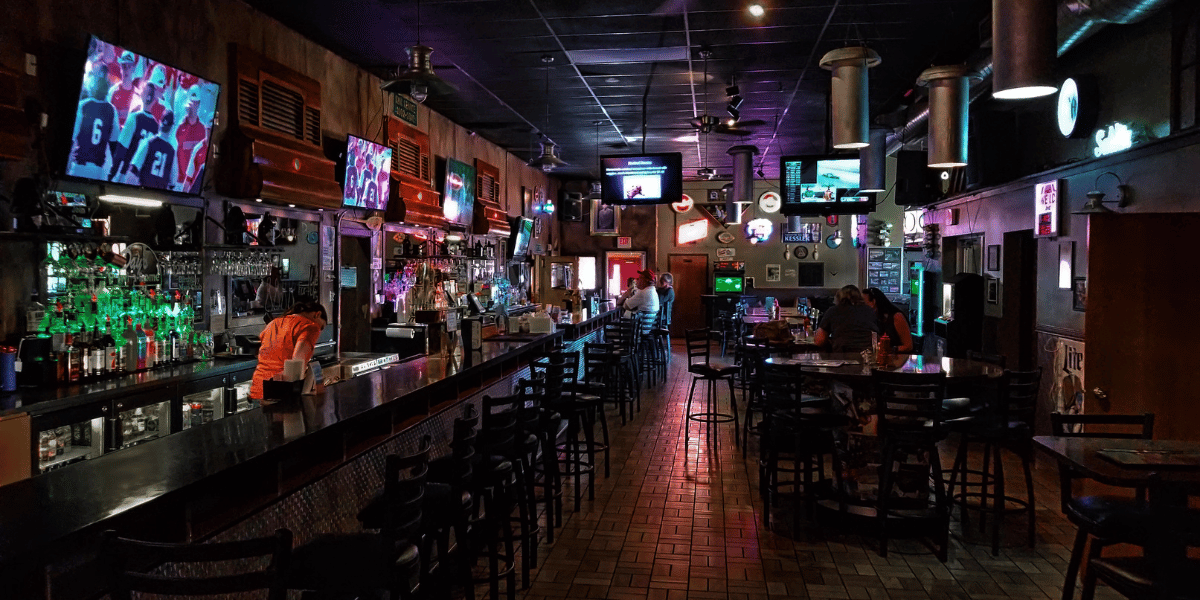
Security Measures Every Bar Should Have
Industry standards and court precedents establish baseline security expectations for establishments serving alcohol. Failure to meet these standards can demonstrate negligence.
Trained Security Personnel
Bars and nightclubs, especially larger venues and those with histories of incidents, need professional security staff. These personnel should be trained in conflict recognition, de-escalation techniques, safe restraint methods, and when to contact law enforcement. Security staffing should be adequate for the venue's size and typical crowd levels.
Responsible Alcohol Service
All staff who serve alcohol should be trained in responsible beverage service, including recognizing signs of intoxication and knowing when to refuse service. Many establishments require TIPS (Training for Intervention Procedures) certification or similar programs. Policies should require cutting off visibly intoxicated patrons and offering alternative transportation.
Surveillance and Monitoring
Security cameras should cover entrances, exits, bar areas, dance floors, and parking lots. Footage should be retained for a reasonable period (typically 30-90 days minimum) and systems should be regularly maintained. In larger venues, real-time monitoring allows security to identify and respond to developing situations.
Capacity Management
Overcrowding increases the risk of violence. Establishments should enforce capacity limits, use counting systems at entrances, and have protocols for managing lines and entry during peak hours. "One in, one out" policies during busy periods help maintain safe crowd levels.
Proper Lighting and Layout
While dim lighting may be part of the ambiance, areas like restrooms, hallways, parking lots, and exits should have adequate lighting for safety. The layout should allow staff to observe patron behavior and provide clear paths to exits. Dark corners and isolated areas should be minimized or regularly monitored.
Incident Response Protocols
Establishments should have clear protocols for handling fights, ejecting problem patrons, and contacting law enforcement. Staff should know when situations require police involvement rather than internal handling. Incident documentation helps identify repeat offenders and demonstrates attention to security.
Confidential. Free. Missouri-focused.
Common Bar Assault Scenarios and Liability
Bar and nightclub assaults occur in various circumstances, each with specific liability considerations. Understanding how your situation fits these patterns helps evaluate your potential claim.
Patron-on-Patron Violence
The most common scenario involves one patron assaulting another. Liability depends on whether the bar should have anticipated the violence (warning signs, prior incidents, over-service) and whether security responded appropriately. Factors include:
- • Did staff observe aggressive behavior before the assault?
- • Was the attacker visibly intoxicated and still being served?
- • Was there adequate security presence for the crowd size?
- • Did security respond quickly once the altercation began?
Bouncer or Security Assault
When bouncers or security guards assault patrons, the establishment faces direct liability. Security personnel may only use reasonable force necessary to protect themselves or others or to remove a patron from the premises. Common violations include:
- • Excessive force during ejection (punching, choking, stomping)
- • Unprovoked attacks on patrons
- • Continuation of force after the threat is neutralized
- • Assaults outside the venue after ejection
Parking Lot Attacks
Assaults often continue or begin in parking lots as patrons leave. Bars that control parking areas have duties to provide security in those spaces. Liability factors include:
- • Adequate lighting in the parking area
- • Security presence or patrols in the lot
- • Whether a conflict inside was allowed to continue outside
- • Camera coverage of exterior areas
Sexual Assault
Bars and nightclubs can be liable for sexual assaults when they fail to maintain safe environments or when staff fail to intervene in concerning situations. Red flags that staff should recognize include:
- • A patron who appears incapacitated being led away by someone they arrived separately from
- • Complaints from other patrons about predatory behavior
- • Known individuals with histories of concerning conduct
- • Dark, unmonitored areas where assaults can occur undetected
Building Your Bar Assault Case
Successfully pursuing a bar or nightclub assault claim requires gathering evidence quickly and understanding how Missouri law applies to your specific situation.
Time-Sensitive Evidence
Surveillance footage is critical in bar assault cases, showing what happened before, during, and after the attack. Most bars retain footage for only 30-90 days before it's automatically deleted. An attorney can send a preservation letter immediately, demanding that all footage be retained and threatening spoliation sanctions if it's destroyed.
Other important evidence includes: receipts or credit card records showing alcohol purchases, witness contact information (other patrons, staff who may later leave their jobs), police reports, medical records documenting your injuries, photographs of injuries and the scene, and the attacker's blood alcohol content if arrested.
Establishing Foreseeability
Given that 88% of bar crimes are assaults, violence at these establishments is inherently foreseeable. Additional evidence that strengthens foreseeability includes: prior incidents at the same location (police records, news reports, online reviews), complaints from patrons or staff about security concerns, citations or warnings from liquor control authorities, and expert testimony about industry security standards.
The 5-Year Statute of Limitations
Missouri law provides five years from the date of injury to file a premises liability lawsuit. However, waiting can be costly. Evidence disappears, witnesses move or forget details, and businesses may close or change ownership. The strongest cases are built with evidence gathered in the days and weeks following the assault.
What If You Were Drinking?
Many assault victims worry that their own alcohol consumption will hurt their case. While Missouri uses comparative fault, meaning your recovery can be reduced if you contributed to your injury, being at a bar and drinking does not make you responsible for being attacked. The establishment's duty to provide security exists precisely because patrons will be drinking. Your intoxication does not excuse their security failures.
Frequently Asked Questions
Common questions about bar and nightclub assault claims in Missouri
Get Your Free Case Evaluation
Complete the form for a free case evaluation from a crime victim attorney. Our consultation is completely confidential, and there's no obligation.
Hold Negligent Bars Accountable
With 88% of bar crimes being assaults, establishments have no excuse for failing to protect their patrons. If you were attacked because a bar failed to provide adequate security or over-served an aggressive patron, you deserve justice.