Parking Lot & Garage Assault Lawsuits
Were you attacked in a Missouri parking lot or garage? The property owner may be liable for failing to protect you.
7,029
Violent Crimes at MO Parking Lots
2020-2024
#1
Most Dangerous Property Type
Out of 24 categories
5 Years
To File a Lawsuit
Missouri statute of limitations
You're Not Suing the Criminal
A parking lot negligent security lawsuit targets the property owner, not the person who attacked you. When property owners know crime is a risk but fail to provide adequate security, they can be held financially responsible. Even if the criminal is never caught, you may still have a valid claim.
Understanding Parking Lot Negligent Security in Missouri
Parking lots and garages present significant security challenges that property owners must address. The FBI crime data reveals a stark reality: with 7,029 violent crimes over five years, parking facilities in Missouri are the single most dangerous property type for visitors, customers, and employees.
When you park your car at a shopping center, office building, hospital, or entertainment venue, you have a reasonable expectation that the property owner has taken steps to protect your safety. Missouri law recognizes this expectation through premises liability statutes that hold property owners accountable when their failure to provide adequate security leads to foreseeable criminal attacks.
The alarming statistics from parking facilities reflect the vulnerability of these environments. Aggravated assaults account for 69% of violent crimes in parking lots, often occurring when victims are isolated, distracted while loading purchases, or walking alone to their vehicles. Robberies make up 23% of incidents, as criminals target people who are momentarily vulnerable during the transition between their vehicle and their destination.
Why Parking Lots Are High-Risk Environments
- Isolation: Large lots create distance from help, security, and witnesses
- Distraction: People are focused on keys, phones, packages, or children
- Poor Lighting: Many lots have inadequate illumination, especially at night
- Limited Surveillance: Camera blind spots and lack of monitoring enable crimes
- Easy Escape: Multiple exits allow criminals to flee quickly after attacks
Perhaps most concerning is that 350 sexual assaults occurred in parking facilities during this period, representing 5% of violent crimes. These attacks often happen in parking garages where enclosed stairwells, elevator areas, and remote corners provide concealment for predators. The 222 homicides recorded in parking lots underscore the potentially fatal consequences of inadequate security.
Missouri Parking Lot Crime Data (2020-2024)
FBI Crime Data Explorer statistics reveal the scope of violent crime at Missouri parking lots and garages. This data establishes that crime in parking facilities is not random or unforeseeable. It's a documented, predictable pattern that property owners must address.
7,029
Violent Crimes at Missouri Parking Lots & Garages
2020-2024 | FBI Crime Data Explorer
Ranking: #1 of 24 property types for violent crime
The key insight: Parking lots rank #1 for violent crime among all property types. Property owners cannot claim this risk is unforeseeable.
Property Owner Duties Under Missouri Law
Missouri's Business Premises Safety Act (RSMo 537.787) establishes clear obligations for property owners regarding visitor safety. Property owners must exercise reasonable care to protect visitors from foreseeable criminal acts, and the overwhelming crime data for parking facilities makes these risks clearly foreseeable.
Adequate Lighting
Parking areas must have sufficient lighting to deter criminal activity and allow visitors to see potential threats. This includes maintaining bulbs, ensuring consistent coverage, and providing enhanced lighting in high-risk areas like stairwells and elevator lobbies.
Security Cameras
Modern security requires functioning surveillance systems with comprehensive coverage. Cameras must be properly positioned, regularly maintained, and footage must be retained for a reasonable period to aid in investigations.
Security Personnel
Depending on the location's crime history and risk level, property owners may need to provide security guards, especially during evening hours. Regular patrols deter criminal activity and provide rapid response to incidents.
Emergency Systems
Call stations, emergency phones, and panic buttons provide crucial communication when visitors feel threatened or need help. These systems must be clearly marked, regularly tested, and connected to security or emergency services.
The Foreseeability Standard
Missouri courts apply a foreseeability test when evaluating premises liability claims. Given that parking lots rank #1 for violent crime among all property types, property owners cannot credibly claim they were unaware of the risks. The question becomes whether they took reasonable steps to address those known risks.
Evidence that strengthens foreseeability includes: prior criminal incidents on or near the property, complaints from visitors or employees about security concerns, police reports or crime statistics for the area, industry standards for parking facility security, and security audits or assessments that identified vulnerabilities.

Types of Parking Facilities and Their Unique Risks
Different types of parking facilities present distinct security challenges. Understanding these differences is crucial when evaluating whether a property owner met their duty of care.
Shopping Center Parking Lots
Retail parking lots are prime targets for robbery and assault because criminals know shoppers are carrying purchases, cash, and credit cards. Large lots create significant distances from store entrances, giving attackers time to act before help arrives. Security measures should include cart corrals positioned for visibility, security patrol vehicles, and enhanced lighting in peripheral areas where people park during busy periods.
Parking Garages
Multi-level parking garages present the most complex security challenges. Enclosed stairwells, elevator areas, and remote floors create concealment opportunities. Sound doesn't carry well in concrete structures, making it difficult for victims to call for help. Garages require comprehensive camera coverage, secure access controls, emergency call stations on every level, and regular security patrols of stairwells and isolated areas.
Office Building Parking
Employees using office parking facilities are particularly vulnerable during early morning and late evening hours when fewer people are present. Employers have obligations to provide safe access to and from the workplace. Security considerations include controlled access systems, escort services for employees leaving late, and coordination between building security and parking management.
Hospital and Medical Facility Parking
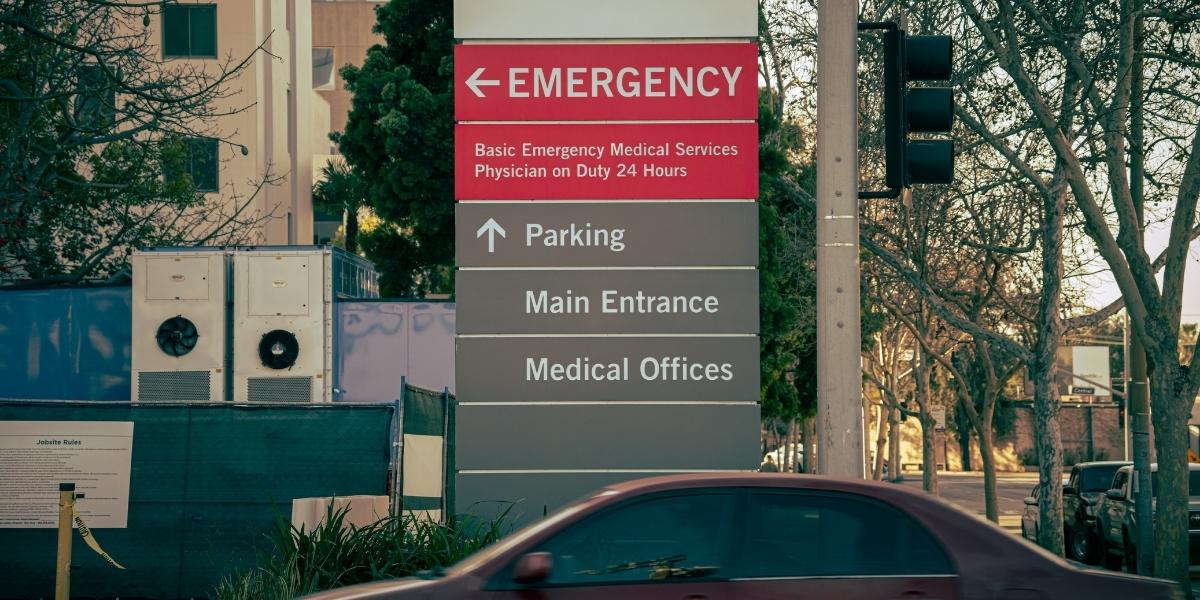
Healthcare facility parking serves vulnerable populations including patients with mobility limitations, elderly visitors, and people dealing with medical emergencies or grief. These facilities operate 24/7, requiring round-the-clock security. Special attention must be given to emergency room parking areas, where emotional situations can escalate.
Event and Entertainment Venue Parking
Sports arenas, concert venues, and entertainment complexes handle massive crowds during events, then empty rapidly. The post-event rush creates chaos that criminals can exploit. These facilities need scalable security plans, traffic management to prevent bottlenecks, and sufficient lighting across vast parking areas.

Confidential. Free. Missouri-focused.
Common Security Failures That Lead to Parking Lot Attacks
When parking lot crimes occur, investigations often reveal patterns of negligence that contributed to the attack. These failures form the basis of premises liability claims against property owners.
Lighting Failures
- • Burned-out bulbs that remain unreplaced for days or weeks
- • Inadequate lighting in stairwells, elevators, and remote areas
- • Dark zones created by poor fixture placement or obstructions
- • Failure to upgrade to modern, brighter lighting technology
- • Timer malfunctions that leave areas dark during evening hours
Surveillance Deficiencies
- • Non-functional cameras that create a false sense of security
- • Blind spots in camera coverage, especially in garages
- • Outdated equipment with poor image quality that cannot identify suspects
- • Inadequate footage retention policies (deleting before investigations can occur)
- • No real-time monitoring of camera feeds

Personnel and Patrol Gaps
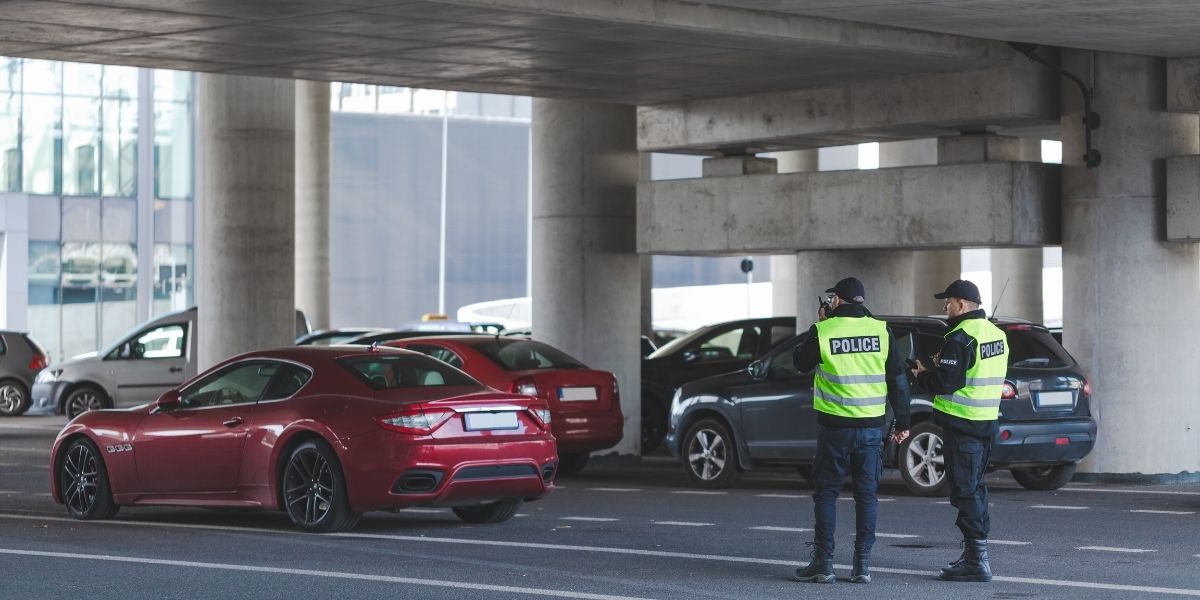
- • No security presence despite known crime problems
- • Inadequate patrol frequency, especially during high-risk hours
- • Poorly trained security personnel who miss warning signs
- • Guards stationed inside buildings rather than in parking areas
- • Failure to respond to security incidents or complaints
Environmental and Design Issues
- • Overgrown landscaping that provides concealment for attackers
- • Broken or unsecured access points in parking garages
- • Non-functioning emergency call stations or panic buttons
- • Poor visibility from adjacent buildings or streets
- • Failure to address known problem areas identified in security assessments
Building a Strong Parking Lot Negligent Security Case
Successfully pursuing a parking lot negligent security claim requires demonstrating that the property owner's failures contributed to your attack. Time-sensitive evidence makes prompt legal action essential.
Critical Evidence to Preserve
Security footage is often the most important evidence in parking lot cases, but it's typically deleted within 30-90 days. An experienced attorney can immediately send a preservation letter demanding that all footage be retained, and can subpoena records before they're destroyed.
Other crucial evidence includes: police reports and incident documentation, medical records detailing your injuries, witness statements from anyone who saw the attack or reported previous incidents, maintenance and security logs, prior crime reports for the property, security audit reports or assessments, and photographs of the scene showing lighting conditions, camera placement, and security features (or lack thereof).
Establishing the Property Owner's Knowledge
A key element in negligent security cases is proving the property owner knew or should have known about the danger. Given parking lots' status as the #1 location for violent crimes, general awareness is often established through industry data and standards. Specific knowledge can be proven through prior incident reports, complaints from visitors or employees, police warnings or crime prevention recommendations, and security consultant reports.
The 5-Year Statute of Limitations
Missouri provides a five-year window to file premises liability lawsuits. However, waiting too long can be detrimental to your case because evidence disappears, witnesses' memories fade, and property conditions change. The strongest cases are built with evidence gathered soon after the incident.
Frequently Asked Questions
Common questions about parking lot assault claims and negligent security lawsuits in Missouri
Get Your Free Case Evaluation
Complete the form for a free case evaluation from a crime victim attorney. Our consultation is completely confidential, and there's no obligation.
Don't Let Property Owner Negligence Go Unchallenged
With parking lots ranking as the most dangerous property type in Missouri, property owners must be held accountable for security failures. If you or a loved one was attacked in a parking lot or garage, you deserve answers and may be entitled to compensation.