Where It Happened Matters
Different properties have different security duties. Learn what protection you should have received.
Property Owners Have a Duty to Protect You
Under Missouri law, property owners must provide reasonable security measures to protect visitors from foreseeable criminal acts.
What's "reasonable" depends on the type of property, its location, and the history of crime in the area. A gas station in a high-crime neighborhood has different duties than a suburban shopping mall. But all commercial property owners must take some precautions—and when they fail, you may have a legal claim.
The Key Question in Every Premises Liability Case
"Was the crime foreseeable, and did the property owner take reasonable steps to prevent it?"
Foreseeability
Did the property owner know or should they have known that crime could occur? Prior incidents, high-crime locations, and industry awareness all establish foreseeability.
Reasonable Security
Once a risk is foreseeable, what did the owner do about it? Lighting, cameras, security guards, and maintenance all factor into whether security was adequate.
Security Duties by Property Type
Each type of commercial property has specific security measures that courts and industry standards recognize as reasonable. Select a location type to learn what protection you should have received.
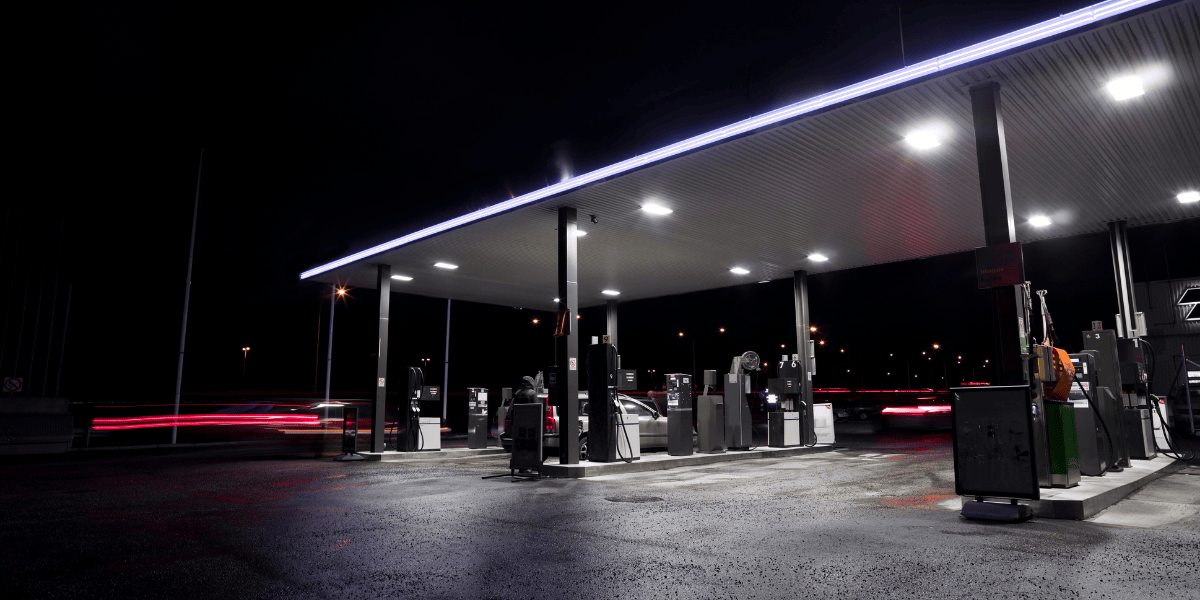
Gas Stations & Convenience Stores
24-hour operations, cash handling, and isolated locations create security responsibilities. Property owners must address foreseeable risks including robbery and assault.
Expected Security Measures:
- Adequate lighting
- Working surveillance cameras
- Security personnel during high-risk hours
- Safe cash handling procedures
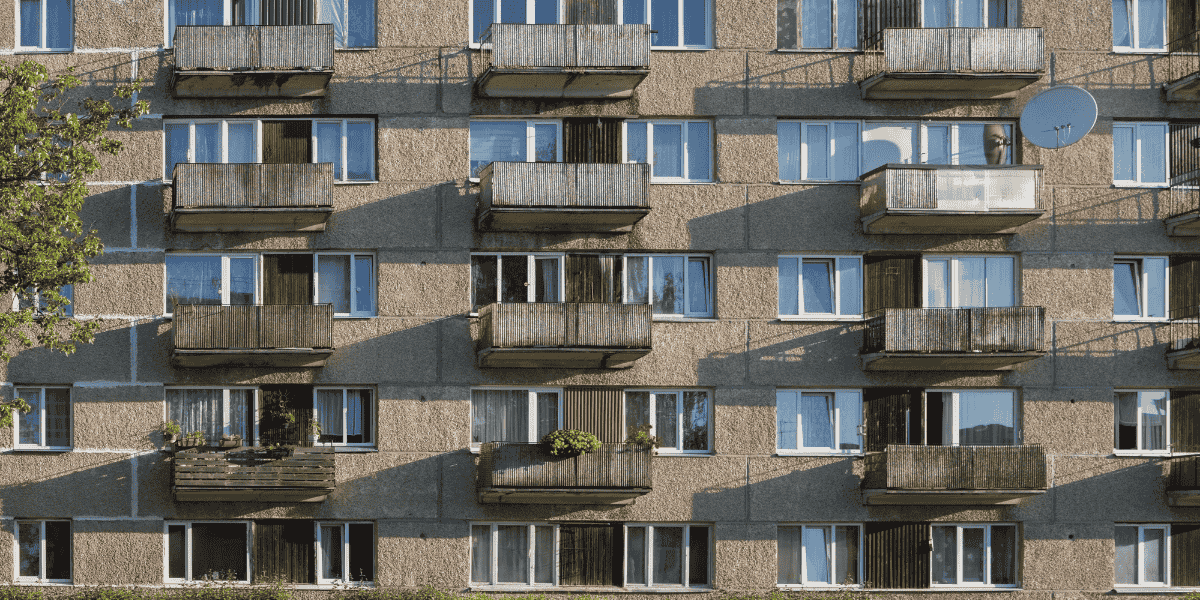
Apartments & Housing Complexes
Landlords have ongoing duties to maintain security in common areas. Gates, locks, lighting, and screening processes all factor into tenant safety.
Expected Security Measures:
- Functioning locks and gates
- Lit parking areas and walkways
- Security cameras in common areas
- Tenant screening procedures
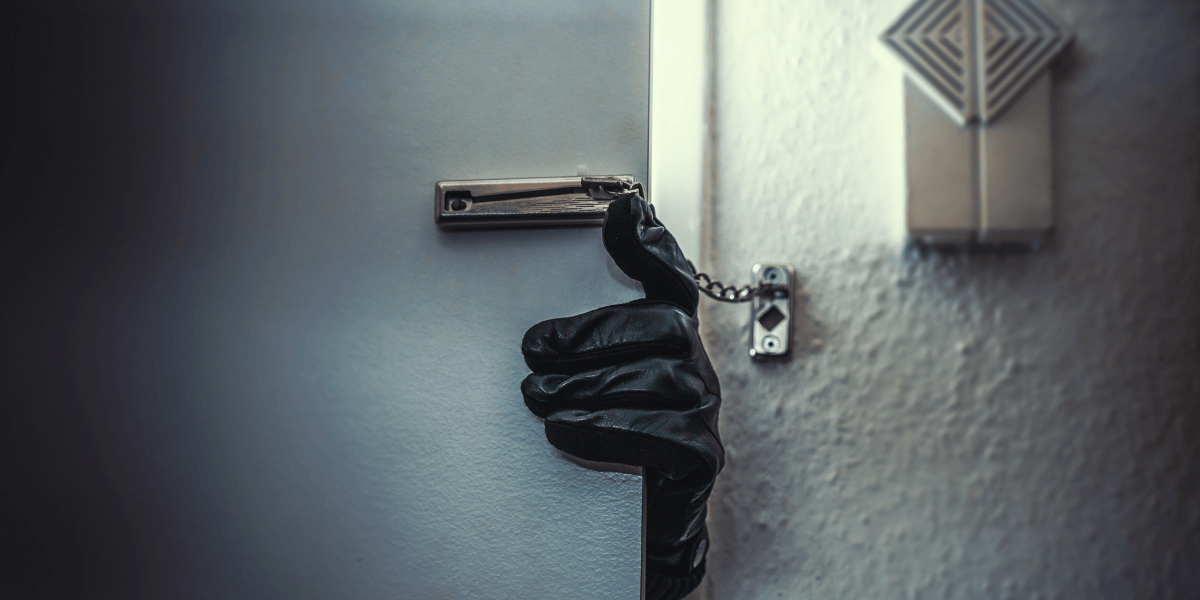
Hotels & Motels
Guest safety is a fundamental responsibility. From door locks to staff training, hotels must protect visitors from foreseeable criminal acts.
Expected Security Measures:
- Secure room locks and deadbolts
- Key card access systems
- Staff security training
- Surveillance in public areas
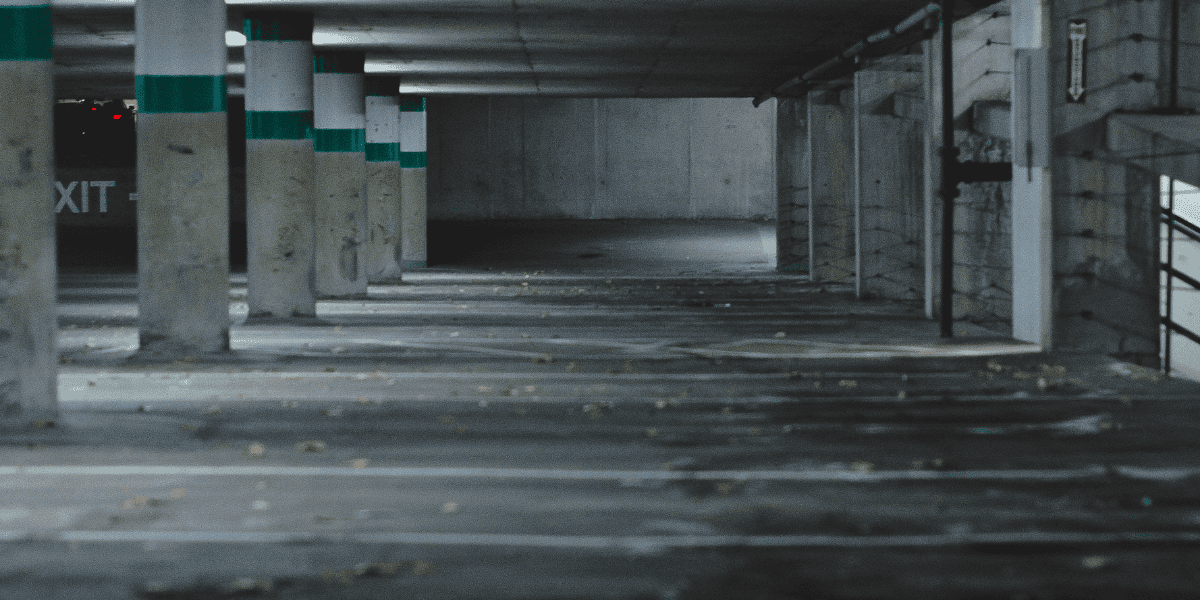
Parking Lots & Garages
Isolation and limited visibility make parking areas high-risk. Owners must provide adequate lighting, cameras, and security presence.
Expected Security Measures:
- Bright, consistent lighting
- Working surveillance systems
- Emergency call stations
- Security patrols
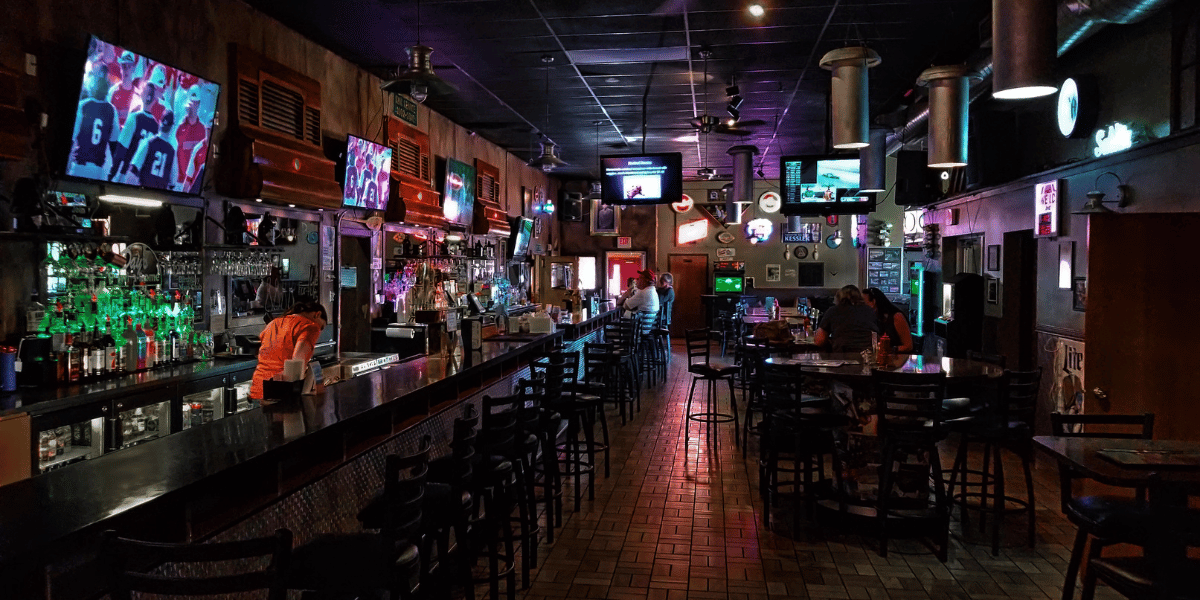
Bars & Nightclubs
Alcohol service creates heightened duties. Crowd management, security staffing, and intervention protocols are essential for patron safety.
Expected Security Measures:
- Trained security personnel
- Crowd capacity management
- Proper ejection procedures
- Incident response protocols
Common Security Failures
If you were a crime victim at a commercial property, consider whether any of these failures may have contributed to what happened:
Inadequate Lighting
Dark parking lots, unlit walkways, broken lights that weren't replaced. Poor lighting enables criminals and shows negligence.
Non-Working Cameras
Surveillance systems that were broken, not monitored, or positioned incorrectly. Cameras deter crime—but only if they work.
Broken Locks or Gates
Security doors that didn't lock, gates that were left open, broken deadbolts. Access control is a fundamental security measure.
No Security Personnel
High-risk locations without guards, bouncers, or staff trained in security. Human presence deters crime and enables rapid response.
Ignored Prior Incidents
Previous crimes at the property that didn't prompt security improvements. Past incidents establish that future crime was foreseeable.
Failure to Warn
Known dangers that weren't communicated to visitors. If a property owner knew of a threat but didn't warn guests, that's negligence.
Related Resources
Learn more about your legal options as a crime victim.
Premises Liability Guide
Complete overview of Missouri premises liability law and how it applies to crime victims.
Read GuideNegligent Security Explained
Deep dive into negligent security claims—the four elements, foreseeability, and building your case.
Read GuideCivil vs. Criminal Cases
Understand the difference between criminal prosecution and civil lawsuits—and why you can pursue both.
Read GuideConfidential. Free. Missouri-focused.
Get Your Free Case Evaluation
Complete the form for a free case evaluation from a crime victim attorney. Our consultation is completely confidential, and there's no obligation.