Gas Station Shooting & Crime Lawsuits
Were you shot, robbed, or assaulted at a Missouri gas station? The property owner may be liable for failing to protect you.
1,753
Violent Crimes at MO Gas Stations
2020-2024
#4
Most Dangerous Property Type
Out of 24 categories
5 Years
To File a Lawsuit
Missouri statute of limitations
You're Not Suing the Criminal
A gas station negligent security lawsuit targets the property owner, not the person who attacked you. When gas station owners know crime is a risk but fail to provide adequate security, they can be held financially responsible. Even if the criminal is never caught, you may still have a valid claim.
Gas Stations Are High-Risk Properties
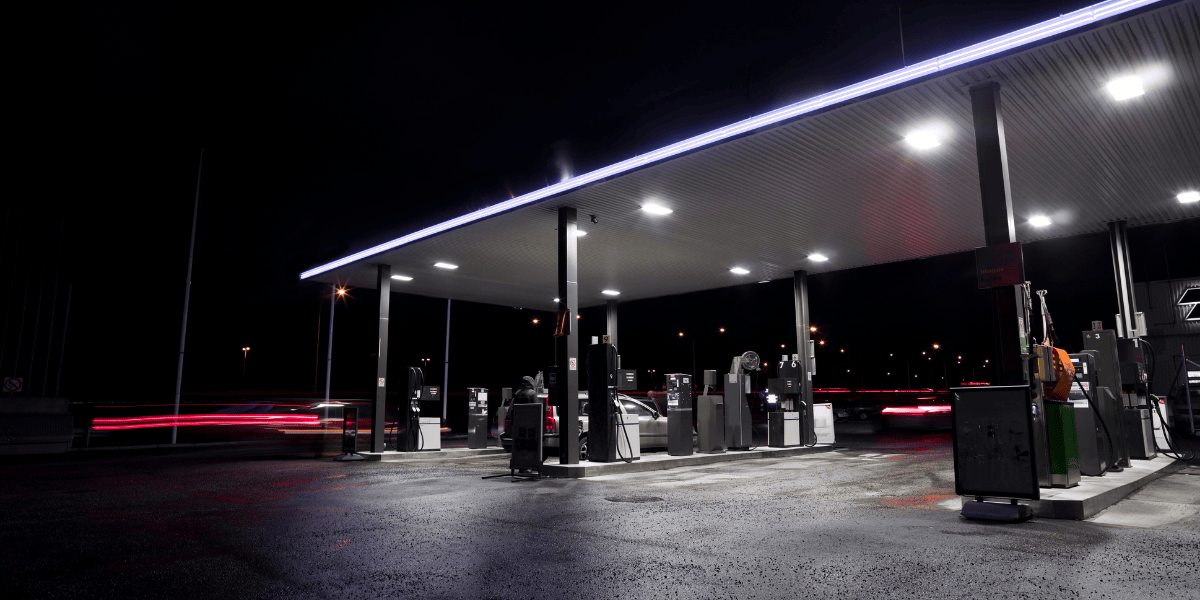
Gas stations consistently rank among the most dangerous commercial properties in Missouri. The combination of 24-hour operations, cash handling, isolated locations, and transient customers creates an environment that attracts criminal activity. Property owners who operate gas stations know these risks, or should know them.
When a gas station owner fails to implement reasonable security measures and a customer is harmed, Missouri law allows victims to seek compensation through a negligent security lawsuit. This isn't about punishing the gas station for the criminal's actions. It's about holding them accountable for failing to take reasonable precautions that could have prevented or deterred the crime.
The legal question is straightforward: Did the gas station owner know (or should they have known) that crime was foreseeable, and did they take reasonable steps to protect customers? If the answer is no, you may have a claim.
Missouri Gas Station Crime Data (2020-2024)
FBI Crime Data Explorer statistics reveal the scope of violent crime at Missouri gas stations. This data establishes that crime at gas stations is not random or unforeseeable. It's a documented, predictable pattern that property owners must address.
1,753
Violent Crimes at Missouri Gas Stations/Service Stations
2020-2024 | FBI Crime Data Explorer
1,019
Aggravated Assault
58% of total
660
Robbery
37% of total
50
Homicide
3% of total
24
Rape
1% of total
What this means: Gas station owners cannot claim ignorance about crime risks. With over 1,700 violent crimes in just 5 years, crime at Missouri gas stations is clearly foreseeable.
Why this data matters for your case: Foreseeability is the cornerstone of any negligent security claim. This statewide data demonstrates that gas station owners should reasonably expect criminal activity. Combined with local crime statistics and any prior incidents at the specific property, this evidence can be powerful in establishing the owner's duty to provide adequate security.
Missouri Law: When Gas Stations Are Liable
Missouri's Business Premises Safety Act (RSMo 537.787) establishes when businesses can be held liable for criminal acts on their property. Understanding this law is essential to evaluating your potential claim.
The "Knowledge" Requirement
Under Missouri law, a business has no duty to guard against criminal acts unless it "knows or has reason to know that such acts are being committed or are reasonably likely to be committed" on the premises. For gas stations with crime histories, located in high-crime areas, or with industry-wide knowledge of risks, this standard is often met.
"Reasonable Security Measures"
The law provides an affirmative defense for businesses that implement "reasonable security measures." This is defined as precautions a reasonable business owner in the industry would implement based on the condition of the premises and cost of implementation. Gas stations that skip basic security measures cannot claim this defense.
Statute of Limitations
You have 5 years from the date of your injury to file a premises liability lawsuit in Missouri. However, evidence disappears quickly. Surveillance footage is typically deleted within 30-90 days. Learn more about time limits.
Comparative Fault
Missouri follows a "pure comparative fault" rule. Your damages are reduced by your percentage of fault, but you can still recover even if you share some responsibility. Being at a gas station late at night, in a high-crime area, or engaging with strangers does NOT automatically make the crime your fault.
Confidential. Free. Missouri-focused.
Gas Station Security Standards
Security experts and industry organizations have established clear standards for gas station safety. When evaluating negligent security claims, courts often compare a property's actual security against these benchmarks. Gas stations that fall below these standards may be considered negligent.
Adequate Lighting
Industry standards (IES G-1-16) require minimum lighting levels of 10-20 footcandles at fuel dispensing areas and 5-10 footcandles in parking areas. Dark gas stations enable criminals to operate unseen and make victim identification difficult.
Key question: Were the pumps, parking lot, and walkways well-lit at the time of your incident?
Surveillance Cameras
Cameras should cover fuel pumps, parking areas, store entrances, and cash registers with clear resolution for identification. Footage should be retained for a minimum of 30 days. Non-functional cameras or cameras pointed away from high-risk areas indicate negligence.
Key question: Were working cameras positioned to capture the incident area?
Clear Sightlines
CPTED (Crime Prevention Through Environmental Design) principles require that cashiers have unobstructed views of fuel pumps and parking areas. Excessive window advertising, merchandise displays, or architectural features that block visibility create security blind spots.
Key question: Could employees see what was happening outside from the register?
Security Personnel
Gas stations in high-crime areas or with histories of violent incidents should employ security guards, particularly during high-risk hours (late night, early morning). Security presence both deters crime and enables rapid response.
Key question: Given the location's crime history, should a guard have been present?
Cash Handling Procedures
Drop safes, limited cash in registers (typically $50-100), and visible signage about limited cash reduce robbery incentives. Gas stations that keep large amounts of cash accessible encourage robbery and endanger customers.
Key question: Did cash handling practices contribute to robbery risk?
Emergency Response
Silent panic buttons, direct lines to local police, employee training on emergency protocols, and two-way communication systems enable rapid response to incidents in progress.
Key question: How quickly did staff respond, and were proper emergency protocols followed?
Types of Gas Station Crime Claims
Crime victims at gas stations can pursue negligent security claims for various types of incidents. The key is not the type of crime. It's whether the gas station failed to provide reasonable security.
Shootings
Gas station shootings often occur during robberies, disputes that escalate to violence, or targeted attacks. With 50 homicides at Missouri gas stations in 5 years, these incidents are tragically common. Security measures like adequate lighting, surveillance, and security personnel can deter and de-escalate potential violence.
Armed Robberies
With 660 robberies at Missouri gas stations (2020-2024), this is the most common violent crime at these properties. Customers caught in robberies may suffer physical injuries, psychological trauma, or both. Gas stations that don't implement robbery prevention measures share responsibility.
Assaults
The 1,019 aggravated assaults represent the largest category of gas station violence. These can occur in parking lots, at fuel pumps, or inside stores. Proper lighting, surveillance, and staff training to identify and report concerning behavior can prevent many assaults.
Carjackings
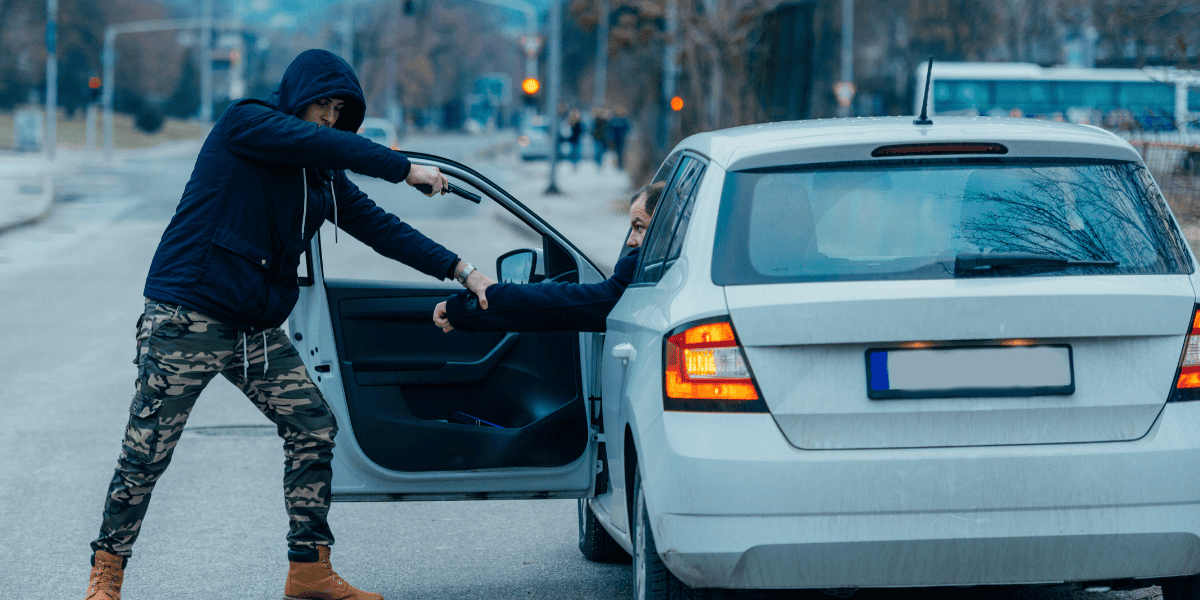
Gas stations are prime locations for carjackings because victims are outside their vehicles in predictable locations. Parking lot lighting, camera coverage, and security patrols are essential preventive measures for these violent crimes.
Building Your Gas Station Negligent Security Case
Successful negligent security claims require evidence showing (1) crime was foreseeable and (2) security was inadequate. Here's what strengthens your case:
Proving Foreseeability
- Police reports from prior crimes at the gas station
- 911 call history for the property address
- Area crime statistics (from local police or FBI data)
- News reports of prior incidents at this or similar locations
- Industry publications documenting gas station crime risks
Proving Inadequate Security
- Photos/video showing broken cameras or poor lighting
- Security expert testimony comparing to industry standards
- Maintenance records showing broken security equipment
- Lighting measurements (footcandle readings)
- Comparison to security at similar gas stations
Act Quickly to Preserve Evidence
Gas station surveillance footage is typically overwritten every 30-90 days. Witnesses forget details. Physical conditions change. The sooner you contact an attorney, the better your chances of preserving critical evidence. Many attorneys can send preservation letters to prevent evidence destruction.
Frequently Asked Questions
Q1 Can I sue a gas station if I was robbed or shot there?
Yes, you may have a claim if the gas station failed to provide adequate security. Under Missouri's Business Premises Safety Act (RSMo 537.787), gas station owners can be liable if they knew or should have known that criminal acts were reasonably likely to occur and failed to implement reasonable security measures. Gas stations in high-crime areas or with prior incidents have a heightened duty to protect customers.
Q2 What security measures should gas stations have?
Industry standards and security experts recommend: adequate lighting at pumps and parking areas (minimum 10-20 footcandles), working surveillance cameras covering all areas, clear sightlines from the cashier to outside, panic buttons and emergency protocols, and security personnel at high-risk locations. Many gas stations also implement cash drop safes to reduce robbery incentives. Failure to maintain these measures may constitute negligence.
Q3 How do I prove the gas station was negligent?
Key evidence includes: the property's crime history (police reports, 911 calls), area crime statistics, surveillance footage (or proof cameras weren't working), lighting measurements, security expert testimony comparing the property to industry standards, and any prior complaints about safety. Your attorney will obtain this evidence through the legal discovery process.
Q4 Does it matter if I was at the pumps or inside the store?
Your location affects the analysis but doesn't prevent a claim. Gas station owners must provide reasonable security for all areas they control, including the fuel pumps, parking lot, convenience store, and surrounding walkways. Crimes at the pumps may indicate lighting or surveillance failures, while crimes inside may point to staffing or access control issues.
Q5 What if the gas station has 'not responsible for crimes' signs?
These signs have no legal effect in Missouri. Property owners cannot disclaim their legal duty to provide reasonable security through posted notices. Under Missouri law, businesses owe a duty of reasonable care to protect invitees from foreseeable criminal acts, and no sign can eliminate this legal obligation.
Q6 How long do I have to file a lawsuit against a gas station?
In Missouri, you have 5 years from the date of injury to file a premises liability lawsuit. However, don't wait because critical evidence disappears quickly. Gas station surveillance footage is typically overwritten within 30-90 days, and witnesses forget details. Contact an attorney as soon as possible to preserve evidence and protect your rights.
Q7 Can I sue the gas station even if the criminal was never caught?
Absolutely. Your civil lawsuit against the gas station owner is completely separate from the criminal case against your attacker. You're suing the property owner for failing to provide adequate security, not the criminal. The identity of the attacker is irrelevant to your negligent security claim against the gas station.
Q8 What damages can I recover from a gas station lawsuit?
You may recover: medical expenses (past and future), lost wages and earning capacity, pain and suffering, emotional distress and PTSD treatment, and in some cases, punitive damages if the negligence was particularly egregious. If a loved one was killed, family members may pursue wrongful death damages including funeral costs and loss of companionship.
Related Resources
Other Property Types
Get Your Free Case Evaluation
Complete the form for a free case evaluation from a crime victim attorney. Our consultation is completely confidential, and there's no obligation.
Injured at a Missouri Gas Station?
A free consultation can help you understand if the gas station owner can be held liable for your injuries. No upfront fees, and we only get paid if you win.