Apartment Complex Crime & Shooting Lawsuits
Were you attacked, shot, or assaulted at your Missouri apartment complex? Your landlord may be liable for failing to provide adequate security.
5 Years
To File a Lawsuit
Missouri statute of limitations
Common Areas
Landlord's Responsibility
Parking, hallways, entrances
Free
Case Evaluation
No upfront costs
You're Suing the Landlord, Not the Criminal
An apartment negligent security lawsuit targets your landlord or property management company, not the person who attacked you. When landlords know about security risks but fail to fix broken gates, add lighting, or address crime patterns, they can be held financially responsible. Your case is separate from any criminal prosecution.
When Apartment Complexes Are Liable for Crime
Missouri landlords have a legal duty to maintain common areas in a reasonably safe condition. This includes protecting tenants and their guests from foreseeable criminal activity. When a landlord knows (or should know) that crime is a risk and fails to take reasonable security measures, they can be held liable for injuries that result.
Apartment complexes present unique security challenges. Multiple entry points, shared common areas, high tenant turnover, and often-anonymous residents create environments where criminals can operate if security is inadequate. Property owners who cut corners on security put tenants at risk.
The core question in landlord liability cases: Did your landlord know (or should they have known) that crime was foreseeable, and did they fail to take reasonable steps to protect you? If yes, you may have a claim regardless of whether the criminal is ever caught.
Missouri Landlord Security Duties
Under Missouri law, landlords owe specific duties to tenants regarding security. Understanding these duties is essential to evaluating your potential claim.
Duty to Maintain Common Areas
Landlords must keep common areas (parking lots, hallways, stairwells, laundry rooms, and building entrances) in a reasonably safe condition. This includes ensuring adequate lighting, working locks, and functional security features. The duty extends to all areas under the landlord's control.
Knowledge Creates Duty
Under Missouri's Business Premises Safety Act (RSMo 537.787), property owners have no general duty to guard against criminal acts unless they know or have reason to know such acts are reasonably likely. For apartments with crime histories, prior incidents, or locations in high-crime areas, this knowledge standard is often met.
Heightened Duty in High-Crime Areas
Landlords operating in areas with elevated crime rates have a heightened duty to implement security measures. The more dangerous the area, the more security is required. A landlord cannot claim ignorance of crime risks when their property is located in a known high-crime neighborhood.
Prompt Repair of Security Features
When security features break (gates, locks, lights, cameras), landlords must repair them promptly. Extended delays in fixing known security problems demonstrate negligence. Courts look at how long the landlord knew about the problem and how long it took to fix.
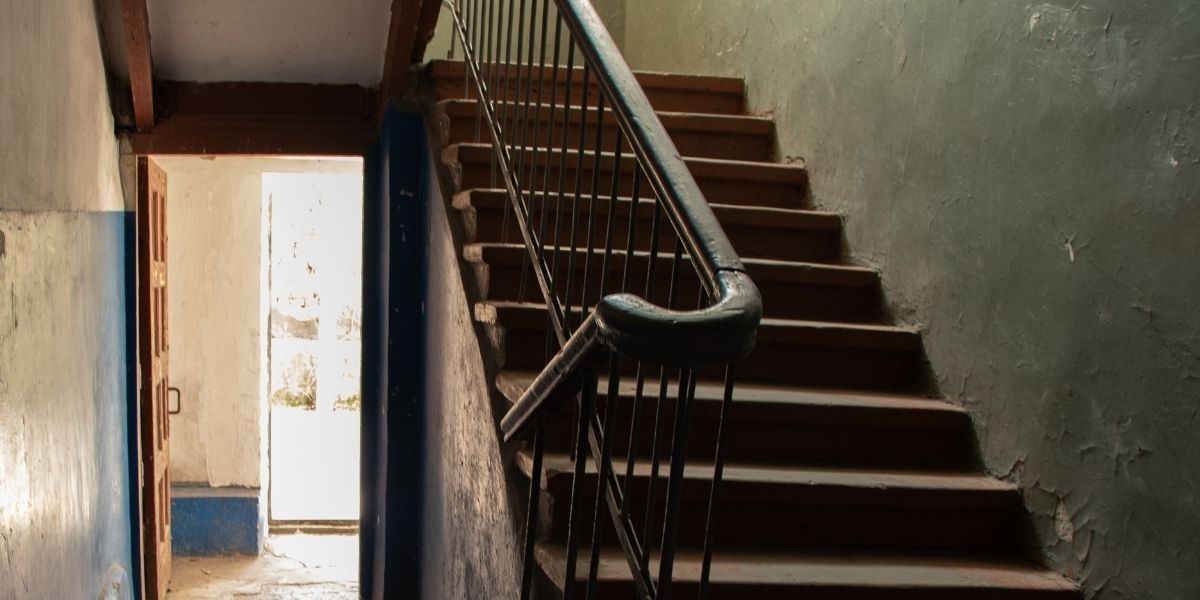
Common Apartment Security Failures
Negligent security claims against landlords typically involve one or more of these common failures. If any of these apply to your situation, it may strengthen your case.
Broken Gates & Locks
Security gates that don't close, entry codes shared publicly, broken door locks on buildings, and malfunctioning key fob systems. These failures allow unauthorized access.
Evidence: Maintenance requests, tenant complaints, photos of broken locks
Inadequate Lighting
Dark parking lots, unlit stairwells, broken exterior lights, and shadowy walkways. Poor lighting enables criminals to operate unseen and makes identification difficult.
Evidence: Photos at night, lighting surveys, comparison to industry standards
No Surveillance Cameras
Missing cameras in high-risk areas, non-functional camera systems, cameras that don't actually record, or footage that isn't retained. Surveillance both deters crime and aids investigation.
Evidence: Camera locations, whether footage existed, retention policies
Ignored Tenant Complaints
Tenant reports about suspicious activity, safety concerns, or security problems that went unaddressed. Written complaints create clear evidence of landlord knowledge.
Evidence: Your complaints, other tenants' complaints, response records
No Security Personnel
Large complexes or those with crime histories that have no security guards, patrols, or on-site management during high-risk hours. Security presence deters crime and enables rapid response.
Evidence: Complex size, crime history, industry standards for similar properties
Poor Tenant Screening
Failure to conduct background checks, allowing known violent offenders to rent, or ignoring red flags in applications. Landlords have some responsibility for who they allow on the property.
Evidence: Screening policies (or lack thereof), attacker's history if known
Confidential. Free. Missouri-focused.
Where Apartment Complex Crimes Occur
Understanding where crimes commonly occur at apartment complexes helps identify security failures. Landlords have heightened duties in these high-risk areas.
Parking Lots & Garages
Highest RiskThe most common location for apartment complex crimes. Victims are often isolated, distracted while entering/exiting vehicles, and in areas with inadequate lighting and surveillance. Security experts recommend minimum 5 footcandles of lighting and camera coverage.
Stairwells & Breezeways
High RiskEnclosed spaces with limited visibility and escape routes. Criminals can hide and ambush victims. Proper lighting, emergency call boxes, and camera coverage are essential security measures.
Laundry Rooms
High RiskIsolated locations often visited alone, particularly during evening hours. Frequently have poor lighting and no surveillance. Should have controlled access, cameras, and emergency call buttons.
Pool & Recreation Areas
Medium-High RiskAreas requiring access control that are often left unsecured. Pool gates propped open, fitness rooms with broken locks, and clubhouses with no supervision create opportunities for crime.

Types of Apartment Complex Crime Claims
Crime victims at apartment complexes can pursue negligent security claims for various incidents. The key factor is whether the landlord's security failures contributed to the crime.
Shootings
Apartment parking lots and common areas are frequent locations for shootings. Security failures like broken gates allowing unauthorized entry, poor lighting enabling ambushes, and lack of surveillance can all contribute to liability.
Assaults & Robberies
Physical attacks and robberies in parking lots, stairwells, and near building entrances. Inadequate lighting, broken locks, and lack of security presence enable these crimes. Prior incidents at the complex strengthen foreseeability.
Sexual Assaults
Sexual assaults in laundry rooms, stairwells, parking areas, and through unauthorized building access. Broken locks, non-functioning security gates, and isolated poorly-lit areas contribute to these crimes. These cases often involve heightened damages.
Home Invasions
Intruders gaining access through broken building locks, defective unit door locks, or failed access control systems. When landlords fail to maintain secure entry points, they may share liability for crimes that occur inside units.
Building Your Apartment Negligent Security Case
Successful landlord liability cases require evidence of both foreseeability and inadequate security. Here's what strengthens your claim.
Proving Foreseeability
- Prior crimes at the same complex
- 911 call history for the property
- Crime statistics for the surrounding area
- Your written complaints about safety
- Other tenants' safety complaints
Proving Inadequate Security
- Photos of broken gates/locks/lights
- Maintenance request records
- Security expert testimony
- Comparison to similar properties
- Industry security standards
Document Everything Now
Take photos of security failures immediately: broken gates, burnt-out lights, missing cameras. Save copies of any maintenance requests or complaints you submitted. Property conditions change, and landlords may quickly repair problems after an incident. Your attorney can also send a preservation letter to prevent destruction of surveillance footage and records.
Frequently Asked Questions
Q1 Can I sue my landlord if I was attacked at my apartment complex?
Yes, you may have a claim if your landlord failed to provide reasonable security. Under Missouri law, landlords must maintain common areas in a reasonably safe condition. If your landlord knew about security risks (such as prior crimes, broken gates, or inadequate lighting) and failed to address them, they may be liable for your injuries. The key is proving the landlord knew or should have known about the danger.
Q2 What if my lease says the landlord isn't responsible for crimes?
These lease clauses have limited effect in Missouri. While landlords can include liability waivers in leases, courts generally won't enforce clauses that attempt to waive liability for the landlord's own negligence. A landlord cannot contractually eliminate their duty to maintain reasonably safe premises. If security failures contributed to your injury, the lease language likely won't protect them.
Q3 What security measures should my apartment complex have?
Required security depends on the property's risk level, but common standards include: working locks on all entry points, adequate lighting in parking lots and walkways, functioning security gates or access controls, surveillance cameras in common areas, and prompt repair of broken security features. Properties in high-crime areas or with crime histories should implement additional measures like security patrols.
Q4 I was attacked in the parking lot. Is the landlord liable?
Parking lots are common areas that landlords must maintain safely. If your landlord failed to provide adequate lighting, cameras, or security in the parking area despite knowing about crime risks, they may be liable. Parking lots are actually one of the most common locations for apartment complex crimes, and security experts recommend specific measures for these areas.
Q5 The security gate at my complex has been broken for months. Does that help my case?
Yes, this is strong evidence of negligence. A broken security gate that remains unfixed shows the landlord knew about a security problem and failed to address it. Document everything: when you reported it, how long it stayed broken, any written communications. Your attorney can also obtain maintenance records and prior tenant complaints during discovery.
Q6 Can I break my lease after being a crime victim at my apartment?
Missouri law allows tenants to break leases under certain circumstances, particularly if the landlord's negligence contributed to unsafe conditions. Additionally, some victims may qualify under domestic violence provisions. However, breaking a lease is a separate issue from pursuing a negligent security claim for damages. Consult an attorney about both options.
Q7 What if I'm behind on rent? Can I still sue?
Yes. Your rent payment status has no bearing on your right to pursue a negligent security claim. Landlords owe a duty of reasonable care to all tenants and their guests, regardless of payment status. The landlord cannot use your rent history as a defense to their own negligence.
Q8 How long do I have to file a lawsuit against my landlord?
In Missouri, you have 5 years from the date of injury to file a premises liability lawsuit. However, don't wait because evidence disappears quickly. Security footage is typically overwritten within 30-90 days, witnesses move away, and property conditions change. Contact an attorney as soon as possible to preserve critical evidence.
Related Resources
Other Property Types
Get Your Free Case Evaluation
Complete the form for a free case evaluation from a crime victim attorney. Our consultation is completely confidential, and there's no obligation.
Attacked at Your Missouri Apartment?
A free consultation can help you understand if your landlord can be held liable for failing to protect you. No upfront fees, and we only get paid if you win.