Negligent Security Explained
When inadequate security makes property owners liable for crimes
Definition
Negligent security is a legal claim that holds property owners liable when their failure to provide adequate security measures results in a foreseeable criminal act that injures someone on their property.
The Core Concept
Property owners have a legal duty to take reasonable steps to protect visitors from foreseeable dangers - including crime. When they fail to provide adequate security and someone is injured in a crime that could have been prevented or deterred, they can be held legally responsible.
This doesn't mean property owners are automatically liable for every crime that occurs. They're liable when:
- 1 The crime was foreseeable - they knew or should have known crime was likely
- 2 Security was inadequate - they failed to implement reasonable security measures
- 3 The failure contributed to your injury - better security could have prevented or deterred the crime
Elements of a Negligent Security Claim
To win a negligent security lawsuit in Missouri, you must prove four elements:
Duty
The property owner owed you a duty to provide reasonable security.
This duty arises automatically when you're a lawful visitor (customer, tenant, guest). Property owners owe the highest duty of care to "invitees" - people invited onto the property for business purposes, like customers.
Breach
The property owner breached that duty by failing to provide adequate security.
This is where you show the security failures: broken cameras, poor lighting, no guards in a high-crime area, broken locks, etc. Security experts often testify about what reasonable security would have looked like.
Causation
The inadequate security was a substantial factor in causing your injury.
You don't need to prove security would have definitely stopped the crime - just that adequate security could have deterred, detected, or delayed it. For example, working security cameras might have deterred the criminal, or a guard might have intervened.
Damages
You suffered actual harm as a result of the crime.
This includes physical injuries, emotional trauma, medical expenses, lost wages, pain and suffering, and other losses. You'll need documentation of your damages (medical records, bills, employment records, etc.).
Foreseeability: The Key to Your Case
The most important element is usually foreseeability. Property owners aren't liable for completely random, unforeseeable crimes. They're liable when they knew or should have known crime was a risk and failed to act.
How Foreseeability is Established
Prior Similar Crimes
The strongest evidence of foreseeability. If the property had previous robberies, assaults, or shootings, the owner clearly knew crime was a risk. More prior crimes = stronger foreseeability.
High-Crime Location
Properties in high-crime areas have a greater duty to provide security. Crime statistics for the surrounding neighborhood are relevant evidence.
Owner's Actual Knowledge
Evidence the owner knew about crime risks: tenant complaints about safety, reports to management, knowledge of criminal activity, police warnings.
Industry Standards
Security experts compare properties against benchmarks like ASIS International's Physical Asset Protection Standard and CPTED (Crime Prevention Through Environmental Design) guidelines. If the property falls below these industry norms, it suggests the owner should have known more security was needed.
The "Prior Similar Incidents" Rule
Missouri courts often look at whether there were "prior similar incidents" at the property. The more similar the prior crimes are to your incident, the stronger your case. For example, if a gas station had three prior robberies, a fourth robbery is clearly foreseeable.
Confidential. Free. Missouri-focused.
What Makes Security "Inadequate"?
Security is "inadequate" when it falls below what a reasonable property owner would provide given the known risks. This depends on the property type, location, crime history, and industry standards.
Common Security Failures
Lighting Failures
- Dark parking lots
- Burned-out lights not replaced
- Poorly lit stairwells and hallways
- No lighting in isolated areas
Surveillance Failures
- No security cameras
- Cameras not working
- Cameras not monitored
- Footage not retained
Access Control Failures
- Broken locks or gates
- No access codes or easy tailgating
- No visitor screening
- Doors propped open
Personnel Failures
- No security guards in high-crime area
- Guards not present when scheduled
- Inadequate guard training
- No late-night security
Policy Failures
- No response to prior incidents
- Failure to report crimes to police
- Ignoring tenant safety complaints
- Not removing known dangerous people
Design Failures (CPTED Violations)
- Isolated areas without natural surveillance
- Hiding spots from overgrown landscaping
- No emergency call boxes
- Poor sight lines blocking visibility
CPTED = Crime Prevention Through Environmental Design (ISO 22341)
Negligent Security by Property Type
Different property types have different security expectations. What's adequate for a rural gas station may be inadequate for one in a high-crime urban area.
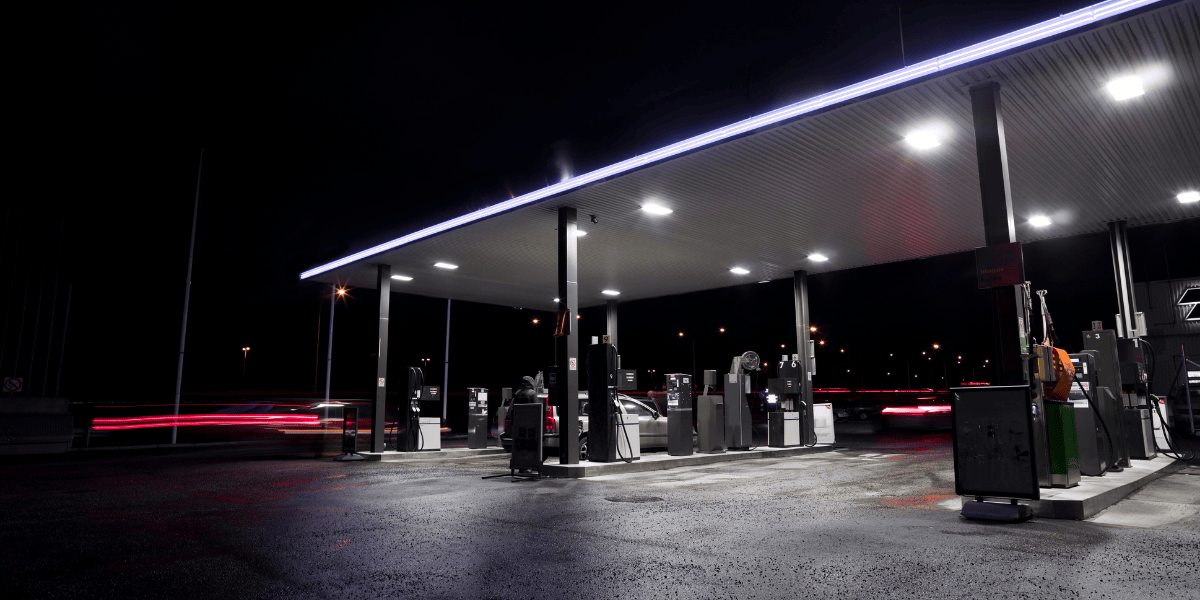
Gas Stations
Lighting, cameras, and staffing standards matter
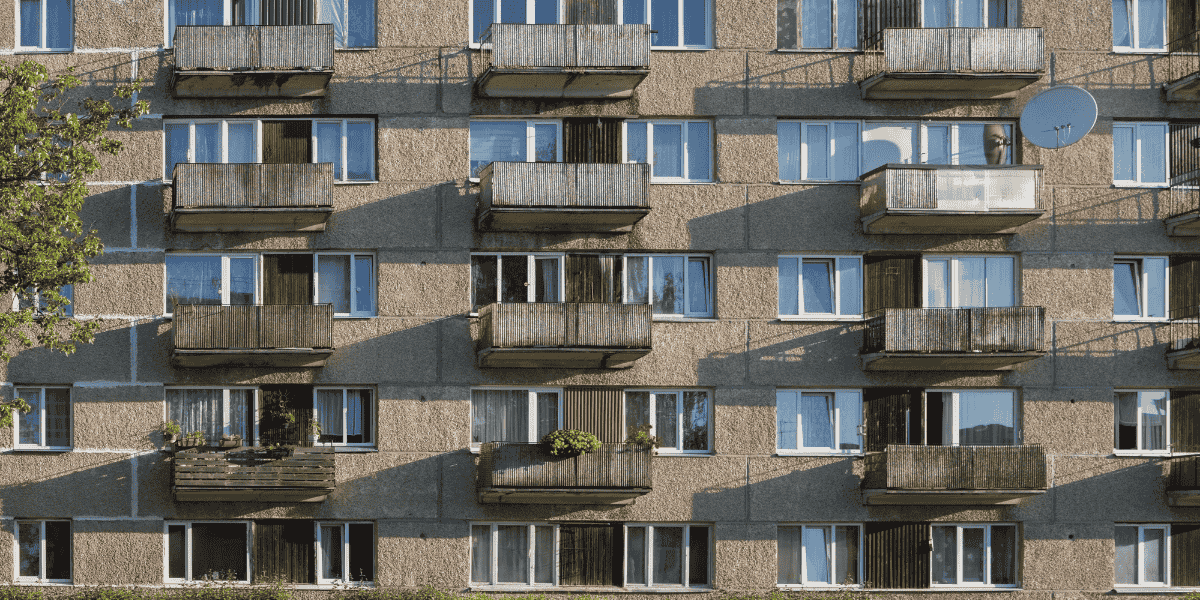
Apartments
Gates, locks, and access control for common areas
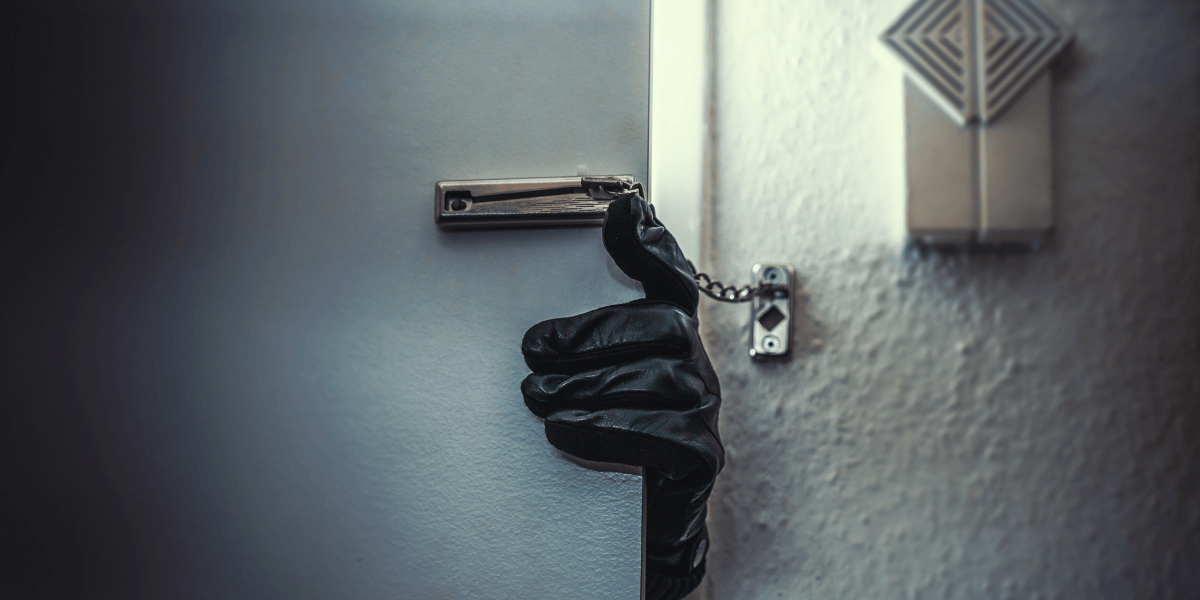
Hotels & Motels
Door locks, surveillance, and security staff

Parking Lots
Lighting, patrols, and emergency call boxes
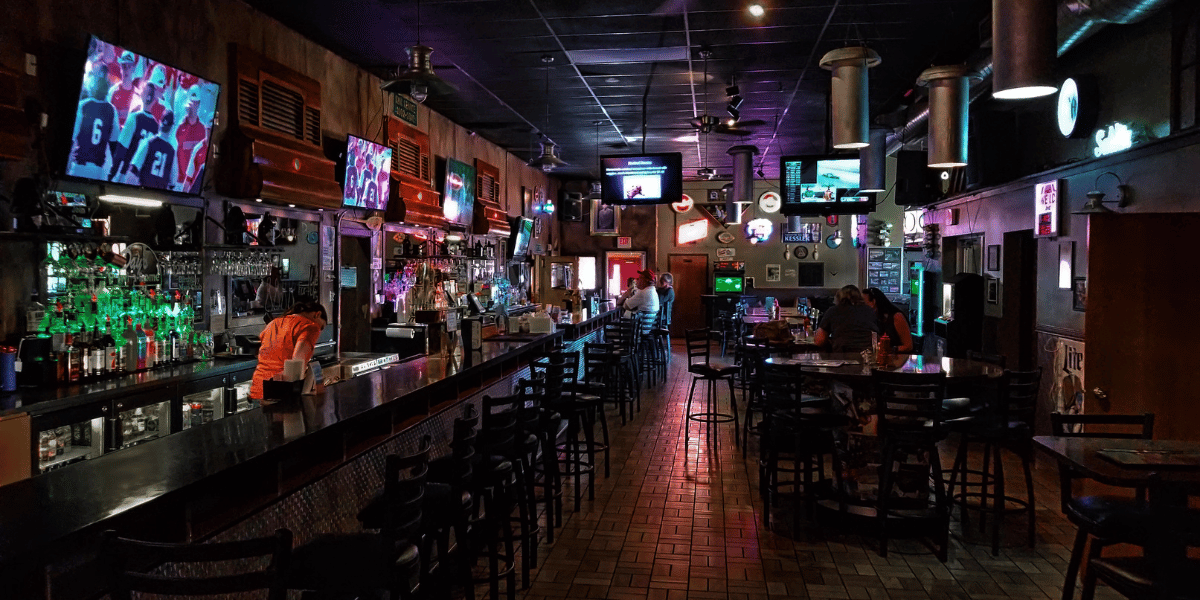
Bars & Nightclubs
Security staff, crowd control, ejection practices
Missouri Crime Data by Property Type (2020-2024)
FBI Crime Data Explorer statistics prove violent crime is foreseeable at commercial properties:
| Property Type | Assaults | Robberies | Total Violent |
|---|---|---|---|
| Parking Lots/Garages | 4,868 | 1,589 | 7,029 |
| Convenience Stores | 1,548 | 1,143 | 2,772 |
| Hotels/Motels | 1,303 | 319 | 2,345 |
| Gas Stations | 1,019 | 660 | 1,753 |
| Bars/Nightclubs | 1,309 | 84 | 1,487 |
Incident counts reflect total violent crimes (assault, robbery, rape, homicide) from the table above.
Gas Stations & Convenience Stores
1,753 total1,019 assaults + 660 robberies + 50 homicides. High-risk especially at night. Should have lighting, cameras, and possibly guards in high-crime areas.
Apartment Complexes
Landlords must secure common areas: parking lots, stairwells, laundry rooms. Working gates, locks, and lighting are essential.
Hotels & Motels
2,345 total1,303 assaults + 694 sexual assaults (highest of any property type) + 319 robberies. Door locks, peepholes, hallway cameras, and security staff are critical.
Parking Lots & Garages
7,029 total4,868 assaults + 1,589 robberies + 350 sexual assaults + 222 homicides. #1 for all categories. Lighting, cameras, patrols, and emergency call boxes are essential.
Bars & Nightclubs
1,487 total1,309 assaults (88% of incidents) tied to alcohol. Trained security staff, crowd control, ID checks, and intervention protocols are mandatory.
Who Can Be Held Liable?
Multiple parties may share responsibility for negligent security:
Property Owners
The person or company that owns the property has primary responsibility for security.
Property Managers
Management companies that operate the property may share liability if they controlled security decisions.
Security Companies
If a security company was hired and failed to perform (guards not present, cameras not monitored), they may be liable.
Franchise Owners
For franchised businesses (some gas stations, hotels), both the franchisee and franchisor may potentially be liable.
Negligent Security Under Missouri Law
Duty to Business Invitees
Missouri law holds that business owners owe their customers (invitees) a duty to exercise reasonable care to protect them from dangerous conditions, including foreseeable criminal acts by third parties.
Prior Similar Incidents Test
Missouri courts often use the "prior similar incidents" test to determine foreseeability. Evidence of prior similar crimes at the same location is highly relevant to showing the owner should have anticipated more crime.
Comparative Fault
Missouri's pure comparative fault rule means your damages can be reduced by your percentage of fault, but this reduction does not bar your recovery entirely. You can recover compensation as long as you are not 100% at fault. Being in a high-crime area or being out at night doesn't make you responsible for someone else's crime.
Statute of Limitations
You have 5 years from the date of injury to file a negligent security lawsuit in Missouri. However, gathering evidence early is crucial - don't wait. Learn more about time limits.
Frequently Asked Questions
Q1 What's the difference between negligent security and premises liability?
Premises liability is the broader legal category - it covers all injuries on property due to unsafe conditions (slip and falls, defective conditions, etc.). Negligent security is a specific type of premises liability that applies when inadequate security measures lead to criminal acts. All negligent security claims are premises liability claims, but not all premises liability claims involve negligent security.
Q2 How do I prove security was inadequate?
You prove inadequate security by showing what reasonable security measures should have been in place (based on industry standards, the property type, and the crime risk in the area) and demonstrating that the property fell short. Expert testimony from security professionals is often crucial. Evidence of prior crimes, broken security equipment, and security industry standards all help prove inadequacy.
Q3 Do I need a security expert for my case?
In most negligent security cases, yes. Security experts establish what reasonable security measures should have been in place given the property type and crime risk. Qualified experts typically hold certifications like CPP (Certified Protection Professional) or PSP (Physical Security Professional) from ASIS International. They testify about industry standards, analyze security failures, and explain how better security could have prevented or deterred the crime.
Q4 What if the property owner says they had security?
Having some security doesn't mean the security was adequate. Your case focuses on whether the security measures were reasonable given the known risks. A property with a history of violent crime needs more security than a property with no crime history. Security that was present but non-functional (broken cameras, lights that were out) actually supports your claim.
Q5 Can I sue a security company?
Potentially, yes. If the property hired a security company that failed to perform its duties (guards weren't present when scheduled, cameras weren't monitored, etc.), the security company may also be liable. Your attorney will investigate all potentially responsible parties.
Q6 How much security is 'enough'?
There's no one-size-fits-all answer. What's adequate depends on the property type, location, crime history, and industry standards. A gas station in a high-crime area with a history of robberies needs more security than a gas station in a low-crime suburb. Security experts help establish what was reasonable for your specific situation.
Q7 What if the crime happened very quickly?
Even if the crime happened quickly, inadequate security may have allowed the criminal to access the property, made the victim an easier target (poor lighting), or prevented a rapid response. The question isn't whether security could have stopped the crime in progress, but whether better security could have deterred, detected, or delayed the crime.
Q8 Does it matter if I was a customer, tenant, or visitor?
Your legal status affects the property owner's duty to you. Customers and tenants ('invitees') are owed the highest duty of care. Social guests ('licensees') are owed a somewhat lower duty. Trespassers are generally owed the lowest duty, though there are exceptions. Most crime victims are invitees entitled to the highest protection.
Get Your Free Case Evaluation
Complete the form for a free case evaluation from a crime victim attorney. Our consultation is completely confidential, and there's no obligation.
Was Security Inadequate Where You Were Attacked?
A free consultation can help you understand if the property owner's security failures make them liable for your injuries.