Can You Sue a Property Owner After a Crime?
Understanding premises liability and negligent security lawsuits for crime victims in Missouri
This Site Focuses on Crime Victims
Premises liability covers many situations (slip and falls, defective conditions, etc.). This guide focuses specifically on negligent security - when property owners can be held liable for crimes that occur on their property due to inadequate security measures.
Yes, You May Be Able to Sue
If you were the victim of a crime on someone else's property - a shooting at a gas station, an assault at an apartment complex, a robbery in a parking garage - you may be able to sue the property owner for failing to keep you safe.
This isn't about suing the criminal (who often can't be found or has no money). It's about holding property owners accountable when they knew about crime risks and failed to provide adequate security.
The legal term is premises liability. When it involves crime, it's specifically called negligent security. This guide explains both concepts and when you can take legal action.
What is Premises Liability?
Premises liability is a legal concept that holds property owners responsible for injuries that occur on their property due to unsafe conditions. Under Missouri law, property owners have a duty to:
- 1 Maintain safe premises for visitors, customers, and tenants
- 2 Warn of known dangers that visitors might not be aware of
- 3 Take reasonable steps to protect against foreseeable harm
Premises liability covers many situations - slip and falls, falling objects, defective conditions. But for crime victims, the relevant type is negligent security.
Negligent Security: When Property Owners Are Liable for Crimes
Negligent security is a specific type of premises liability claim. It applies when a property owner fails to provide adequate security measures and someone is injured in a foreseeable crime as a result.
The Four Elements of a Negligent Security Claim
Duty
The property owner owed you a duty to provide reasonable security (you were a customer, tenant, or lawful visitor)
Breach
The property owner breached that duty by failing to provide adequate security measures
Causation
The inadequate security contributed to your injury (better security could have prevented or deterred the crime)
Damages
You suffered actual harm (physical injuries, emotional trauma, financial losses)
Foreseeability: The Critical Factor
The key question in any negligent security case is: Was the crime foreseeable? Property owners aren't required to prevent all crimes - only those they knew or should have known could happen.
How Foreseeability is Proven
Prior Crimes at the Location
If the property has a history of similar crimes, the owner should have known another crime was likely. Prior robberies, assaults, or shootings are strong evidence of foreseeability.
High-Crime Area
Properties in areas with high crime rates have a greater duty to provide security. Crime statistics for the surrounding area matter.
Owner's Actual Knowledge
Evidence that the owner knew about crime risks - police reports, tenant complaints, prior incidents - strengthens foreseeability.
Industry Standards
Security experts compare properties against established benchmarks like ASIS International standards (the ANSI-accredited security standards organization) and CPTED principles (Crime Prevention Through Environmental Design). Falling below these standards suggests negligence.
Example: A gas station in a high-crime area has had three robberies in the past year. The owner installs no security cameras, has poor lighting, and no security guard. A customer is shot during a fourth robbery. The crime was clearly foreseeable, and the owner's failure to improve security makes them liable.
Missouri Crime Data: Foreseeability at Commercial Properties
FBI Crime Data Explorer statistics (2020-2024) demonstrate that violent crime at Missouri commercial properties is overwhelmingly foreseeable. Property owners cannot claim ignorance:
7,029
Violent crimes at parking lots/garages
2,772
Violent crimes at convenience stores
2,345
Violent crimes at hotels/motels
1,753
Violent crimes at gas stations
1,487
Violent crimes at bars/nightclubs
18,000+
Total violent crimes tracked
What this means for your case: With thousands of violent crimes occurring at each property type, property owners are on notice that crime is foreseeable. Explore our full crime data analysis.
Confidential. Free. Missouri-focused.
Common Security Failures
Property owners can be liable for various types of security failures. These are the most common issues in negligent security cases:
Inadequate Lighting
Dark parking lots, poorly lit stairwells, broken lights not repaired. Industry standards (IES G-1-16) specify minimum lighting levels: parking areas should have at least 1-5 footcandles depending on activity level, with higher requirements near cash handling and access points. Adequate lighting deters criminals and helps identify attackers.
No Security Cameras
Lack of surveillance cameras, non-functional cameras, cameras not monitored, or poor camera placement. Video surveillance both deters crime and helps identify criminals.
No Security Personnel
High-crime locations without security guards, especially during late-night hours. Security presence deters criminals and provides rapid response.
Broken Locks and Access Control
Broken gates, non-functioning door locks, easy tailgating access, no visitor screening. Access control prevents unauthorized entry.
Failure to Address Known Dangers
Ignoring prior crime incidents, not responding to tenant complaints, allowing known dangerous individuals on property, failing to report suspicious activity.
Where Negligent Security Claims Arise
Negligent security lawsuits can arise at any property where people are invited. These are the most common locations:

Gas Stations
Shootings, robberies, assaults at pumps and stores
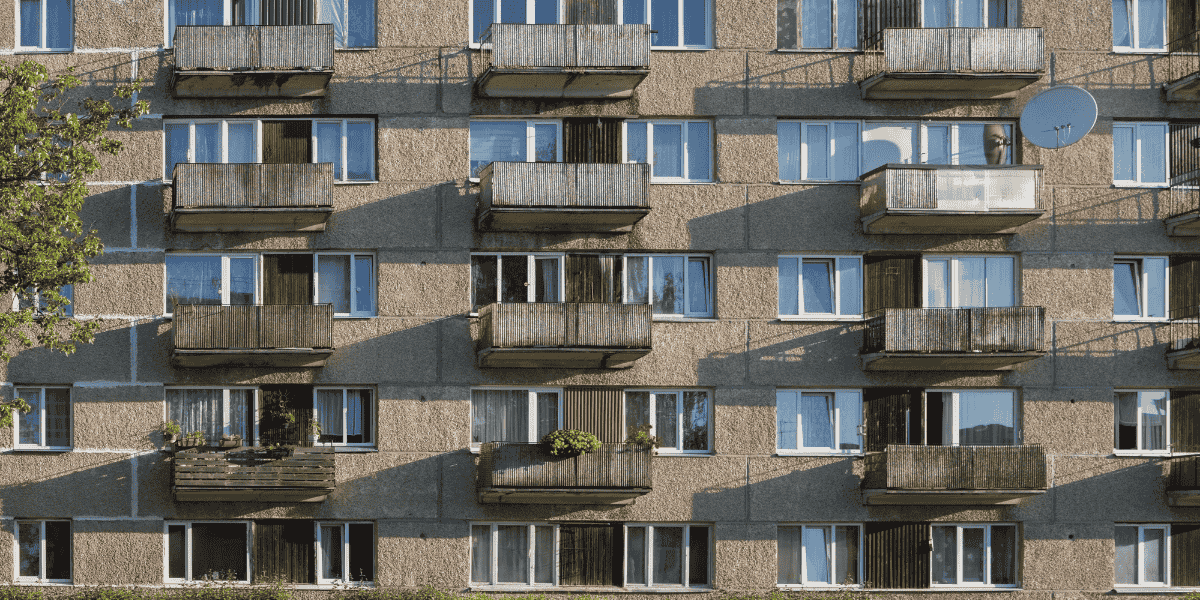
Apartment Complexes
Crimes in parking lots, stairwells, common areas

Hotels & Motels
Assaults, break-ins, inadequate room security

Parking Lots & Garages
Robberies, carjackings, assaults in isolated areas
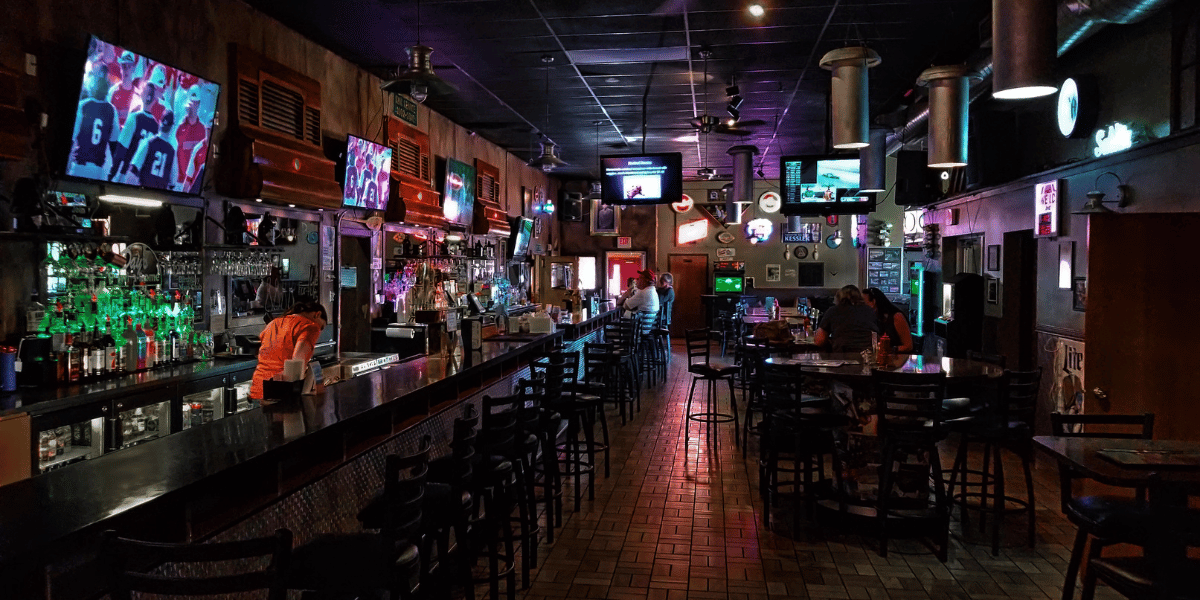
Bars & Nightclubs
Fights, assaults, shootings, bouncer incidents
Missouri Law on Premises Liability
Invitee Status
As a customer, tenant, or lawful visitor, you are an "invitee" under Missouri law. Property owners owe invitees the highest duty of care - they must exercise reasonable care to protect you from known dangers AND dangers they should have discovered through reasonable inspection.
Comparative Fault
Missouri follows a pure comparative fault rule. Your damages are reduced by your percentage of fault, but you can still recover even if you bear significant responsibility. Simply being in a high-crime area or being out at night doesn't make you at fault for being victimized.
Statute of Limitations
You have 5 years from the date of injury to file a premises liability lawsuit in Missouri. However, don't wait - evidence disappears quickly. Learn more about time limits.
Evidence That Strengthens Your Case
Strong premises liability cases are built on evidence. Here's what helps prove your claim:
Prior Crime History
- Police reports from prior incidents at the property
- 911 call logs for the location
- Crime statistics for the surrounding area
- Tenant or customer complaints about safety
Security Failures
- Photos of inadequate lighting, broken locks, etc.
- Maintenance records showing broken security equipment
- Security camera footage (or evidence cameras were non-functional)
- Expert testimony on security industry standards
Your Damages
- Medical records and bills
- Documentation of lost wages
- Therapy and counseling records
- Photos of injuries
Other Important Evidence
- Witness statements
- Police report from your incident
- Lease agreement (for apartment cases)
- News reports of prior incidents at the property
Compensation You Can Recover
A successful premises liability lawsuit can provide compensation for all your losses:
Economic Damages
- Medical expenses (past and future)
- Lost wages and income
- Lost earning capacity
- Rehabilitation costs
- Home modifications for disability
- Out-of-pocket expenses
Non-Economic Damages
- Pain and suffering
- Emotional distress and trauma
- PTSD treatment
- Loss of enjoyment of life
- Disfigurement
- Loss of consortium (for family members)
Wrongful Death
If your loved one was killed due to negligent security, family members may recover funeral expenses, loss of financial support, loss of companionship, and other damages. Missouri has a 3-year statute of limitations for wrongful death claims.
Civil Lawsuit vs. Criminal Case
A premises liability lawsuit is completely separate from the criminal prosecution of your attacker. Understanding the difference is crucial:
| Aspect | Criminal Case | Civil Lawsuit |
|---|---|---|
| Who brings it? | State prosecutor | You (the victim) |
| Against whom? | The criminal | The property owner |
| Goal? | Punishment (jail/prison) | Compensation for you |
| Standard of proof? | Beyond reasonable doubt | More likely than not |
| Your control? | Limited (you're a witness) | You make decisions |
You can pursue both simultaneously. The criminal case doesn't affect your civil case. Even if the attacker is never caught or is acquitted, you can still sue the property owner. Learn more about civil vs. criminal cases.
Frequently Asked Questions
Q1 Can I sue if the criminal hasn't been caught?
Yes. Your civil lawsuit against the property owner is completely separate from the criminal case. You're not suing the attacker - you're suing the property owner for failing to provide adequate security. The identity of the criminal doesn't matter for your negligent security claim.
Q2 Can I sue if the criminal case is still pending?
Absolutely. Civil and criminal cases run on separate tracks. You can file your premises liability lawsuit while the criminal prosecution is ongoing. In fact, evidence from the criminal case often helps strengthen your civil claim.
Q3 What if I was partially at fault?
Missouri follows a 'pure comparative fault' rule. If you were partially responsible, your compensation is reduced by your percentage of fault, but this does not bar your recovery. Even if you were 90% at fault, you could still recover 10% of your damages. Being in a high-crime area or being out late at night does NOT make the crime your fault.
Q4 How long do I have to file a lawsuit?
In Missouri, you have 5 years from the date of injury to file a premises liability lawsuit. However, evidence disappears quickly - security footage is often deleted within 30-90 days, and witnesses forget details. The sooner you contact an attorney, the stronger your case will be.
Q5 What is my case worth?
Case value depends on several factors: severity of your injuries, medical expenses (past and future), lost wages, pain and suffering, and the strength of evidence against the property owner. Premises liability cases involving serious injuries like shootings or sexual assaults can result in substantial compensation. An attorney can evaluate your specific situation.
Q6 Do I need a lawyer for a premises liability case?
While not legally required, it's strongly recommended. These cases are complex - you need to prove the crime was foreseeable, that security was inadequate, and often require expert testimony. Property owners have insurance companies with experienced lawyers. You should too. Most premises liability attorneys work on contingency, meaning no upfront fees.
Q7 What if the property owner has no insurance?
Most commercial properties carry liability insurance. Your attorney will investigate the property owner's insurance coverage early in the case. In some situations, multiple parties may be liable (property owner, property management company, security company), increasing the sources of potential compensation.
Q8 Can I sue even if I already got victim compensation?
Yes. Missouri's Crime Victims Compensation Program and a civil lawsuit are separate. You can pursue both. However, if you receive victim compensation and later win a civil lawsuit, the compensation program may seek reimbursement from your settlement. Your attorney will handle this coordination.
Q9 What if my lease says the landlord isn't responsible for crimes?
Lease waivers for negligence are generally unenforceable in Missouri. A landlord cannot contract away their duty to provide reasonably safe premises. If your lease contains such language and you were a crime victim, consult an attorney - you likely still have a valid claim.
Q10 How long does a premises liability case take?
Most cases resolve within 1-3 years. Some settle within months if liability is clear; complex cases may take longer. Factors affecting timeline include investigation needs, expert reports, discovery, negotiations, and whether the case goes to trial. Most cases settle before trial.
Get Your Free Case Evaluation
Complete the form for a free case evaluation from a crime victim attorney. Our consultation is completely confidential, and there's no obligation.
Think You Have a Case?
A free consultation can help you understand if the property owner can be held liable for your injuries. No upfront fees - we only get paid if you win.